Focus: Social Perspective | Kabba 30MWp Substation, Kogi State | Reliable Power for Households, Schools & Clinics
For households, schools, clinics and small businesses in Kogi West, the value of a solar-powered substation will be measured in daily life, not technical specifications.
In many Nigerian towns, electricity is less a service than a lottery. Lights flicker, fans slow, refrigerators struggle, outages arrive without warning. For communities served by grid infrastructure far from major power stations, weak supply has long shaped how people live and work.
The contract for the 30MWp Solarization of the 2x60MVA Transmission Substation at Kabba, awarded by REA to ICC Offshore SAL in March 2020, aims to change that picture.

Power That People Can Plan Around
The most important social benefit of reliable electricity is predictability. When families know power will be available, they can plan days, businesses and budgets. Students can study in the evening, households can store food safely, and people can charge phones essential for banking, communication and work. By adding large local solar generation at the substation, the project is designed to strengthen supply to the surrounding network, reducing dependence on far-away transmission.
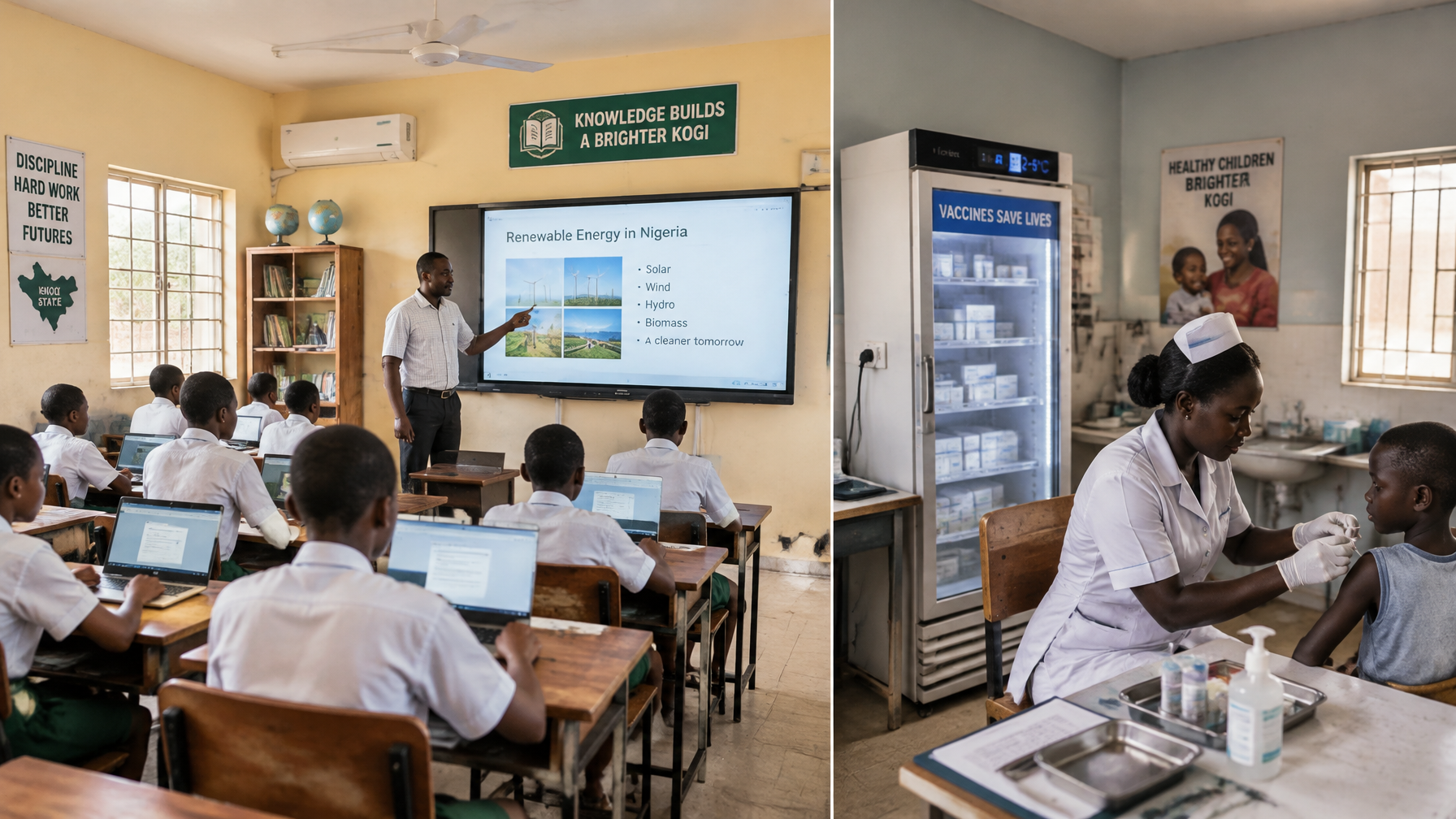
Schools and Health Services
Kabba is home to educational institutions and serves as a hub for surrounding communities. Schools and colleges depend on electricity for lighting, computers, laboratories and internet. Health facilities need it even more urgently — for refrigerating vaccines and medicines, running diagnostic equipment and providing safe care at night. Improvements in grid supply can have direct effect on quality of these public services.
Easing the Burden on Households
Where grid is unreliable, families spend significant amounts on fuel for small generators, and those who cannot afford generators simply go without. Generators bring noise, fumes and fire risks into homes. A stronger grid supply reduces need for these costly hazardous workarounds, with greatest relative benefit for lower-income households.
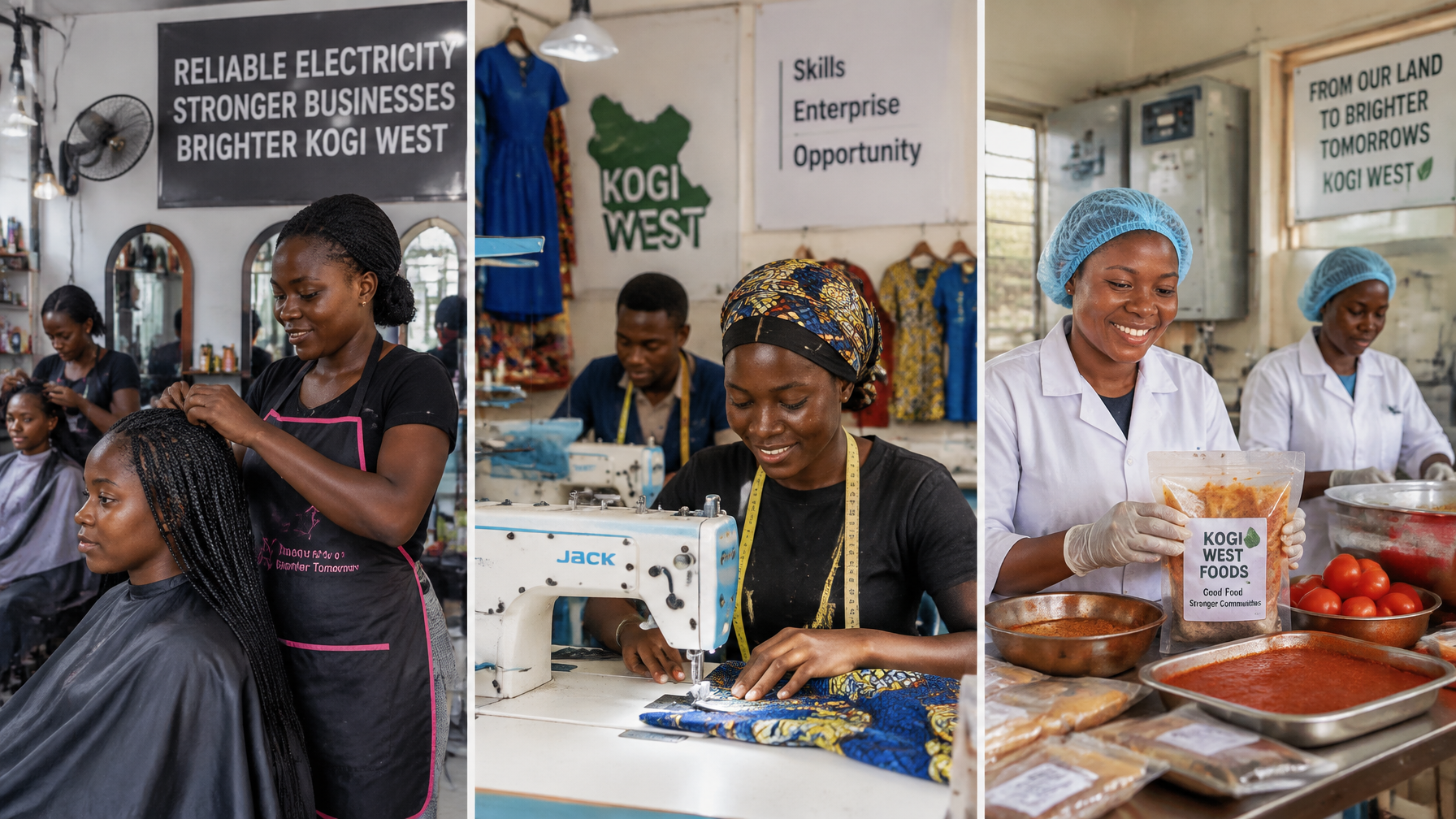
Opportunities for Women and Young People
Many small businesses that depend on electricity — hairdressing, tailoring, food processing and phone repair — are run by women and young people. Reliable power can make these ventures more profitable and less stressful. Construction and long-term operation of a large solar plant also creates chances for young people to train in technical skills increasingly in demand as Nigeria expands renewable energy.
Building Trust Through Visible Progress
Public infrastructure carries symbolic weight. A major investment in a town like Kabba signals interior and semi-rural communities are part of the national development agenda, not an afterthought. When projects are delivered and maintained well, they strengthen public confidence in government.
Keeping Communities Involved
Full social value depends on factors beyond the solar plant: condition of local distribution networks, fairness of billing, and ongoing engagement with community leaders, traditional institutions and residents. Projects that listen tend to be better protected, better maintained and more widely valued. At its heart, Kabba is about giving people something long denied: electricity they can depend on.
Kabba Social At-A-Glance
| Dimension | Benefit of Stronger Supply |
|---|---|
| Households | Predictable power — study at night, store food, charge phones |
| Schools/Clinics | Lighting, computers/labs, internet; vaccine refrigeration, diagnostics, night care |
| Equity | Reduces generator burden — greatest benefit for lower-income |
| Women/Youth | Hairdressing, tailoring, food processing more viable; technical training pathway |
Frequently Asked Questions
Q: How will stronger grid help schools and clinics?
Better lighting, computers and lab power for schools; reliable refrigeration and night care for clinics.
Q: Who benefits most from reducing generator dependence?
Lower-income households who cannot afford fuel and generators.
Q: What ensures social value is realized?
Sound local distribution, fair billing, and engagement with traditional and community leaders.
Based on REA award 3 March 2020 for Kabba 30MWp (REA-NEP/C/GO/RFP/47/25E). Consult rea.gov.ng for latest.
Comments
Post a Comment